-

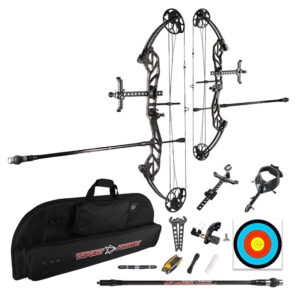
ToPoint Starting 36 Pulley Bow Kit 19-60LBS 20-31” RH
404,00€En Stock
Select options This product has multiple variants. The options may be chosen on the product page -
Sale!
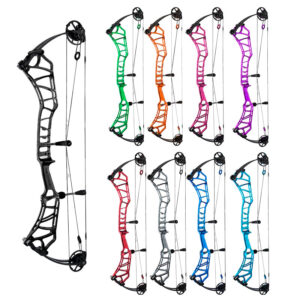
Topoint Reliance 36 RH compound bow
Original price was: 807,00€.524,55€Current price is: 524,55€.Pedir al Distribuidor
Select options This product has multiple variants. The options may be chosen on the product page -
Sale!
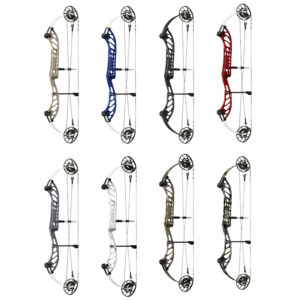
PSE Dominator Duo 35 SE2 Compound Bow RH/LH (copia)
Original price was: 1.950,00€.1.556,00€Current price is: 1.556,00€.Pedir al Distribuidor
Select options This product has multiple variants. The options may be chosen on the product page -
Sale!
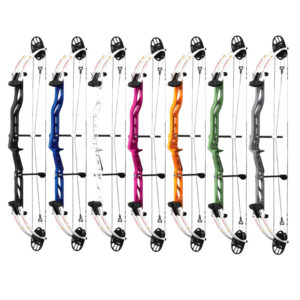
Compound Bow PSE Lazer X 37″
Original price was: 1.049,00€.734,30€Current price is: 734,30€.Pedir al Distribuidor
Select options This product has multiple variants. The options may be chosen on the product page
-
Sale!
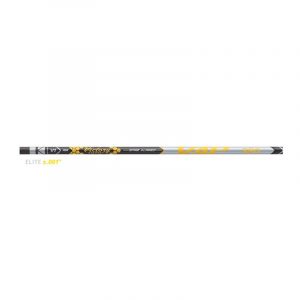
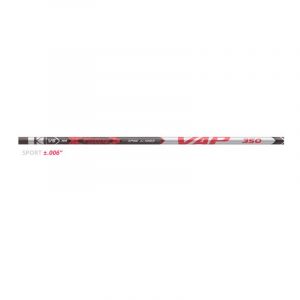
Victory VAP Target V1 Shaft
Original price was: 16,00€.11,20€Current price is: 11,20€.En Stock
Select options This product has multiple variants. The options may be chosen on the product page -
Sale!
Victory VAP Target V6 Shaft
Original price was: 12,40€.8,80€Current price is: 8,80€.En Stock
Select options This product has multiple variants. The options may be chosen on the product page -
Sale!
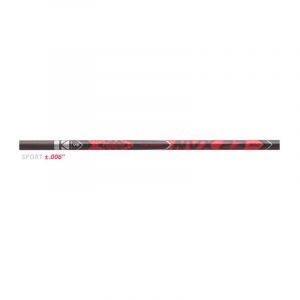
Victory NVX 23 SPORT .006 Shaft
Original price was: 12,00€.3,60€Current price is: 3,60€.En Stock
Select options This product has multiple variants. The options may be chosen on the product page -
Sale!
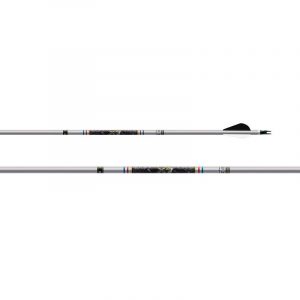
Easton X23 Aluminum Shaft for Indoor Competition
Original price was: 8,95€.7,16€Current price is: 7,16€.En Stock
Select options This product has multiple variants. The options may be chosen on the product page -
Sale!
Easton Powerflight Carbon Shaft (5 units)
Price range: 24,99€ through 25,13€En Stock
Select options This product has multiple variants. The options may be chosen on the product page -
Sale!
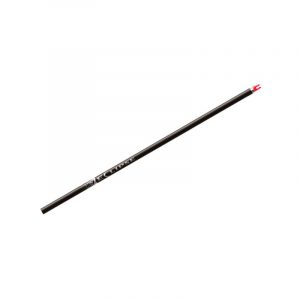
Easton X7 Eclipse Precision Aluminum Shaft
Original price was: 11,95€.9,56€Current price is: 9,56€.En Stock
Select options This product has multiple variants. The options may be chosen on the product page

-
Sale!
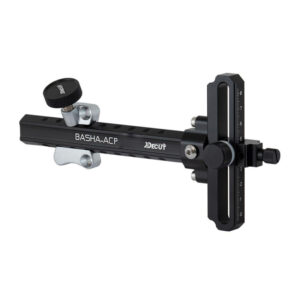
Decut Basha-ACP 10/32 sight
Original price was: 23,50€.21,15€Current price is: 21,15€.2 En Stock (+ Bajo pedido)
Add to cart -
Sale!
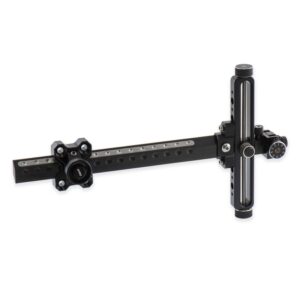
Decut Sius-CP 10/32 Ambidextrous Precision Sight
Original price was: 75,00€.57,24€Current price is: 57,24€.1 En Stock (+ Bajo pedido)
Add to cart -
Sanlida X8 6″ RH Precision Sight for Compound Bow (copia)
85,00€En Stock
Select options This product has multiple variants. The options may be chosen on the product page -
Sale!
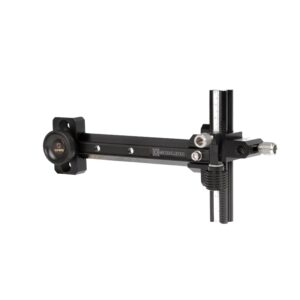
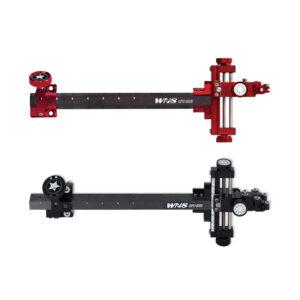
WNS SPC-300 Compound Bow Sight with Micro Adjustment RH/LH
Original price was: 155,00€.113,15€Current price is: 113,15€.Pedir al Distribuidor
Select options This product has multiple variants. The options may be chosen on the product page
-
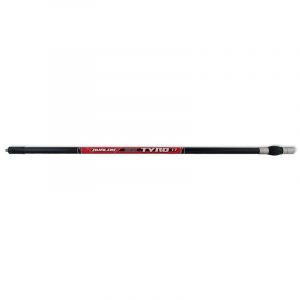
Avalon Tyro Long Stabilizer 26″, 28″, and 30″
22,00€En Stock
Select options This product has multiple variants. The options may be chosen on the product page -
Avalon Tyro 10″ and 12″ Short Stabilizer
13,00€En Stock
Select options This product has multiple variants. The options may be chosen on the product page -
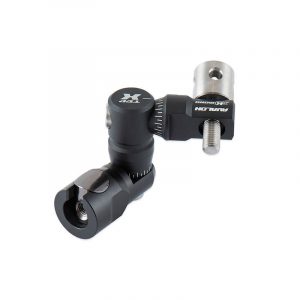
Avalon Tec X Maxx Adjustable Mono V-Bar for Precision Compound Bow
39,00€Pedir al Distribuidor
Add to cart -
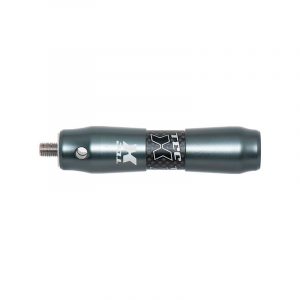
Avalon Tec X V-Bar Extension for Olympic or Precision Bow
32,00€A Consultar
Select options This product has multiple variants. The options may be chosen on the product page

-
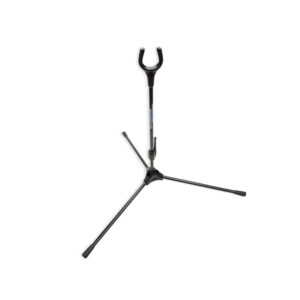
Avalon Basic Bow Stand for Recurve Bow
6,90€61 En Stock (+ Bajo pedido)
Add to cart -
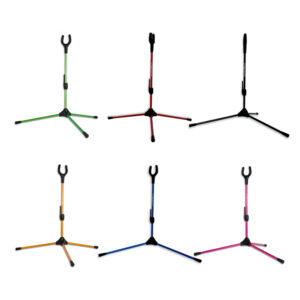
Avalon Magnetic Aluminum Bow Stand
12,00€En Stock
Select options This product has multiple variants. The options may be chosen on the product page -
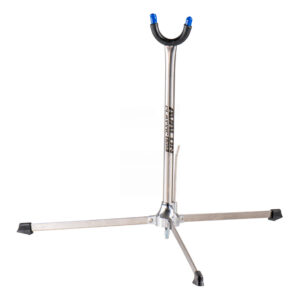
Avalon Classic Easy Bow Stand for Recurve and Olympic Bows
20,00€19 En Stock (+ Bajo pedido)
Add to cart -
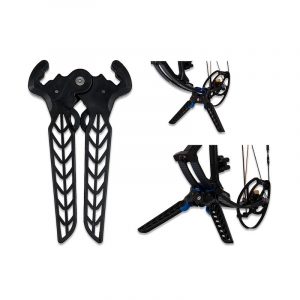
Avalon Dual Pod Bow Stand with Protector for Compound Bow
12,50€2 En Stock
Add to cart
-
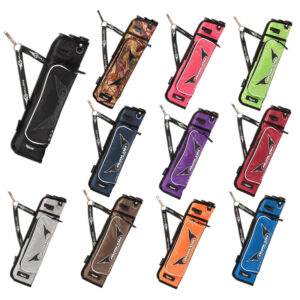
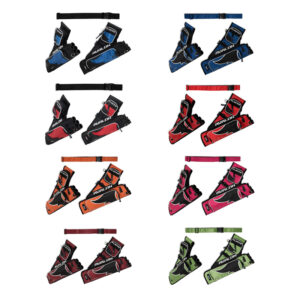
Avalon A2 Waist Quiver with 2 Tubes (Ambidextrous)
8,00€En Stock
Select options This product has multiple variants. The options may be chosen on the product page -
Avalon Tyro 2.0 Quiver with Three Waist Tubes and Side Pocket
14,50€En Stock
Select options This product has multiple variants. The options may be chosen on the product page -
Avalon Classic Quiver for Beginner or Olympic Archery
25,00€En Stock
Select options This product has multiple variants. The options may be chosen on the product page -
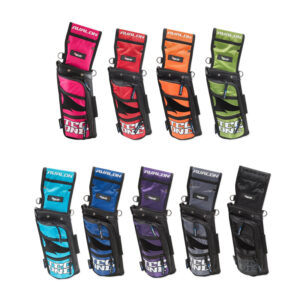
Avalon New Tec One Quiver with Belt
23,00€En Stock
Select options This product has multiple variants. The options may be chosen on the product page

-
Sale!
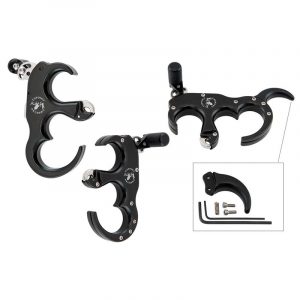
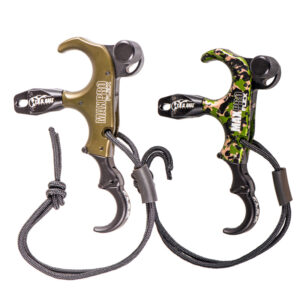
Topoint 3-4 finger release for compound bow.
Original price was: 84,00€.53,99€Current price is: 53,99€.En Stock
Select options This product has multiple variants. The options may be chosen on the product page -
Sale!
T.R.U. Ball Max Pro Plus 4 Finger Release.
157,85€Pedir al Distribuidor
Select options This product has multiple variants. The options may be chosen on the product page -
Sale!
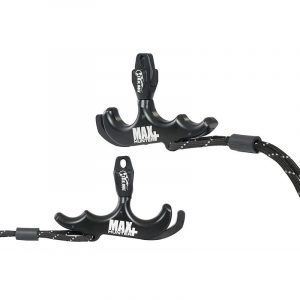
T.R.U. Ball Max Hunter release.
Original price was: 124,00€.98,00€Current price is: 98,00€.1 En Stock (+ Bajo pedido)
Add to cart -
Sale!
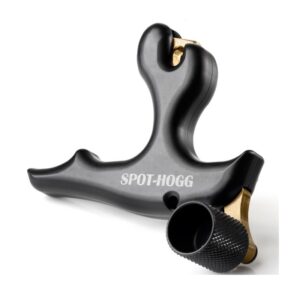
SpotHogg Whipper Snapper 3-Finger Release
Original price was: 133,00€.99,75€Current price is: 99,75€.3 En Stock (+ Bajo pedido)
Add to cart
-
Sale!
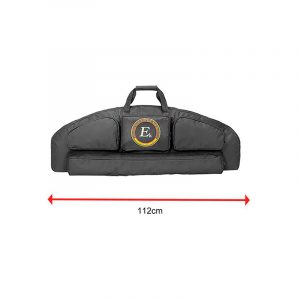
Ek Poelang Transport Bag for Compound Bow
Original price was: 39,50€.31,60€Current price is: 31,60€.3 En Stock (+ Bajo pedido)
Add to cart -
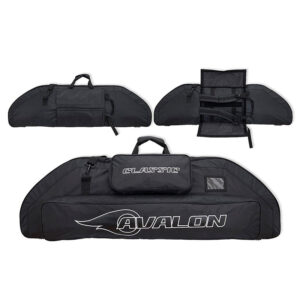
Avalon Classic Compound Bow Backpack 106cm
63,00€En Stock
Select options This product has multiple variants. The options may be chosen on the product page -
Sale!
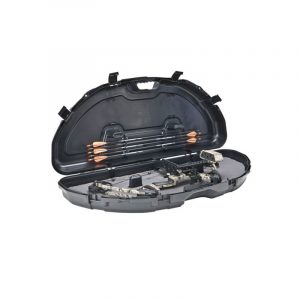
Plano Compact Single hard case 110x50x16 for compound bow.
Original price was: 169,00€.129,00€Current price is: 129,00€.2 En Stock (+ Bajo pedido)
Add to cart -
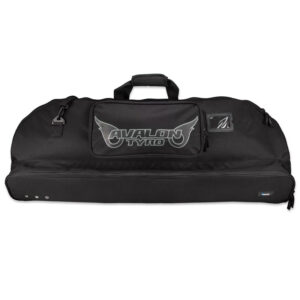
Avalon Tyro Compound Bow Backpack 116cm
45,00€4 En Stock (+ Bajo pedido)
Add to cart
-
Tec X Avalon Adjustable Armguard for Compound Bow
10,00€En Stock
Select options This product has multiple variants. The options may be chosen on the product page -
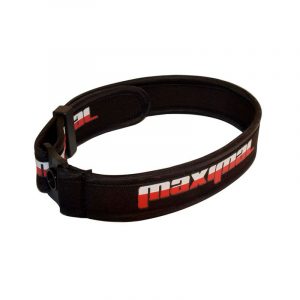
Maximal Neoprene Wrist Sling for Compound Bow
3,80€2 En Stock (+ Bajo pedido)
Add to cart -
Sale!
Paradox PBSE Cobra Armguard with Leather Strap for Compound Bow
Original price was: 28,00€.19,60€Current price is: 19,60€.En Stock
Select options This product has multiple variants. The options may be chosen on the product page -
Sale!
Paradox Bowsling PBSL wrist sling for pulley bow.
Original price was: 12,00€.8,40€Current price is: 8,40€.En Stock
Select options This product has multiple variants. The options may be chosen on the product page