-

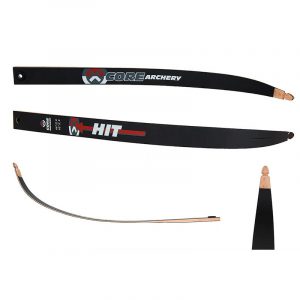
Core Hit Black Beginner Limbs for Recurve Bow
45,00€En Stock
Select options This product has multiple variants. The options may be chosen on the product page -
Sale!
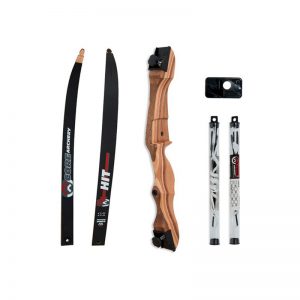
Hit Shift Beginner Bow for kids and adult beginners.
Price range: 65,68€ through 74,08€En Stock
Select options This product has multiple variants. The options may be chosen on the product page -
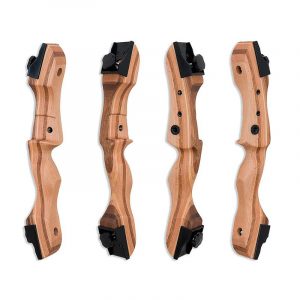
Core Wood Shift Beginner Bow Riser
Price range: 36,00€ through 38,00€En Stock
Select options This product has multiple variants. The options may be chosen on the product page -
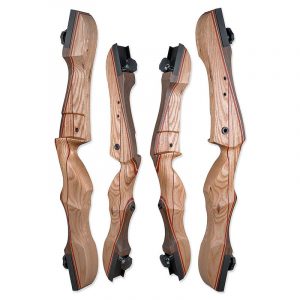
Core Verve RH/LH Body
Price range: 50,00€ through 56,00€En Stock
Select options This product has multiple variants. The options may be chosen on the product page
-
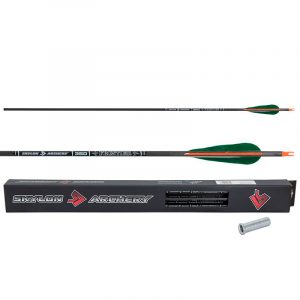
Skylon Frontier Carbon Full Arrow for Traditional Bow
6,95€En Stock
Select options This product has multiple variants. The options may be chosen on the product page -
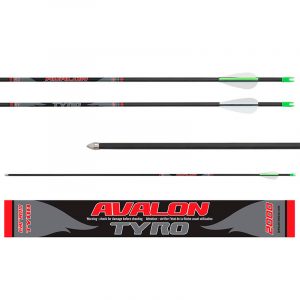
Avalon Tyro 4.2 Beginner Full Arrow
4,75€En Stock
Select options This product has multiple variants. The options may be chosen on the product page
-
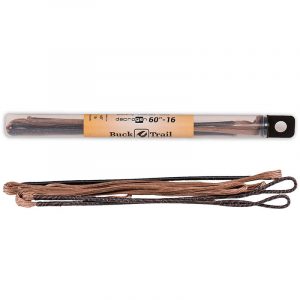
Buck Trail Dacron Trad. Standard 16-Strand String
4,50€En Stock
Select options This product has multiple variants. The options may be chosen on the product page -
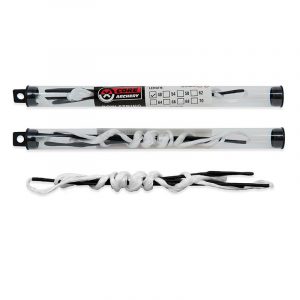
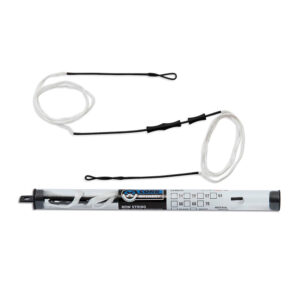
Core Basic String for Beginner Bow
3,00€En Stock
Select options This product has multiple variants. The options may be chosen on the product page -
Core Dacron String for Beginner Bow
4,00€En Stock
Select options This product has multiple variants. The options may be chosen on the product page -
Core Dacron String with Finger Protector for Beginners
4,30€En Stock
Select options This product has multiple variants. The options may be chosen on the product page

-
Buck Trail Basic Traditional Finger Tab for recurve and traditional archery.
5,45€En Stock
Select options This product has multiple variants. The options may be chosen on the product page -
Buck Trail Leather Finger Tab in Black
3,50€En Stock
Select options This product has multiple variants. The options may be chosen on the product page -
Buck Trail Leather Finger Tab with Finger Separator
4,80€A Consultar
Select options This product has multiple variants. The options may be chosen on the product page -
Sale!
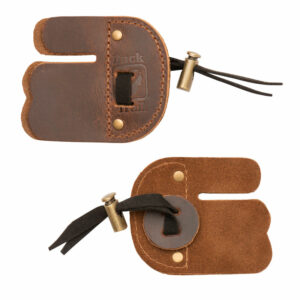
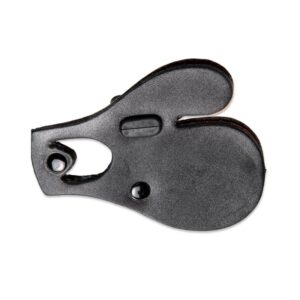
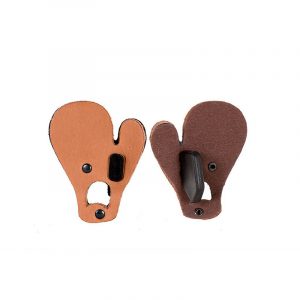
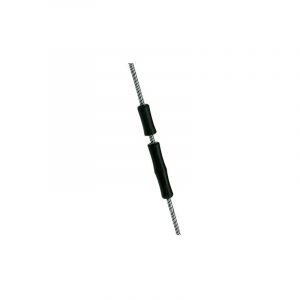
Finger Protector 2.0 Flex Archery for String Coloring
Original price was: 0,60€.0,42€Current price is: 0,42€.12 En Stock
Add to cart
-
Sale!
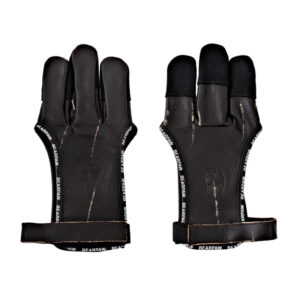
Bearpaw Bodnik Speed Glove for Traditional Archery
Original price was: 22,00€.18,70€Current price is: 18,70€.En Stock
Select options This product has multiple variants. The options may be chosen on the product page -
Sale!
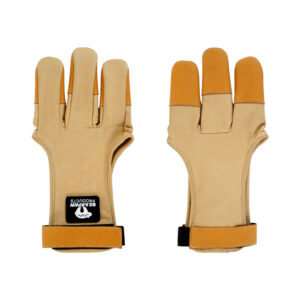
Bearpaw Classic Glove
Price range: 16,15€ through 17,10€En Stock
Select options This product has multiple variants. The options may be chosen on the product page -
Sale!
Bearpaw Damaskus glove for traditional archery.
Price range: 16,15€ through 18,90€En Stock
Select options This product has multiple variants. The options may be chosen on the product page -
Sale!
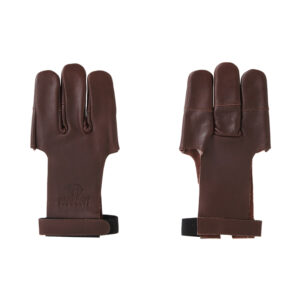
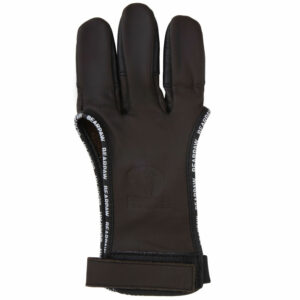
Bearpaw Deerskin Glove
Original price was: 32,00€.27,20€Current price is: 27,20€.En Stock
Select options This product has multiple variants. The options may be chosen on the product page
-
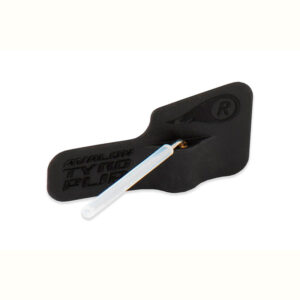
Avalon Tyro Flip RH Arrow Rest
3,50€2 En Stock
Add to cart -
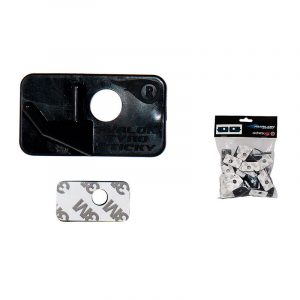
Avalon Tyro Sticky Arrow Rest for Recurve Bow RH or LH
0,50€En Stock
Select options This product has multiple variants. The options may be chosen on the product page -
Avalon Tyro Sticky Arrow Rest for Recurve Bow RH or LH (copia)
2,80€En Stock
Select options This product has multiple variants. The options may be chosen on the product page -
Sale!
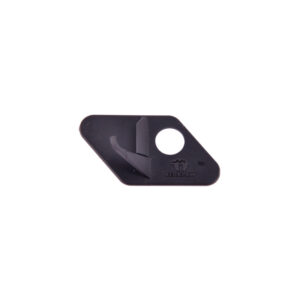
Bearpaw Super Arrow Rest Plastic Beginner Rest
Original price was: 1,20€.0,96€Current price is: 0,96€.45 En Stock (+ Bajo pedido)
Add to cart
-
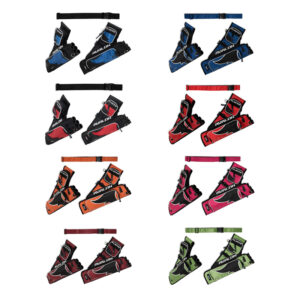
Avalon A2 Waist Quiver with 2 Tubes (Ambidextrous)
8,00€En Stock
Select options This product has multiple variants. The options may be chosen on the product page -
Avalon Classic Quiver for Beginner or Olympic Archery
25,00€En Stock
Select options This product has multiple variants. The options may be chosen on the product page -
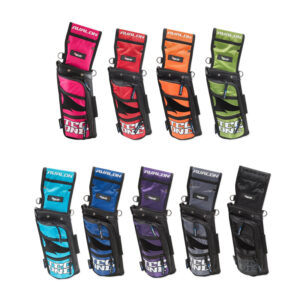
Avalon New Tec One Quiver with Belt
23,00€En Stock
Select options This product has multiple variants. The options may be chosen on the product page -
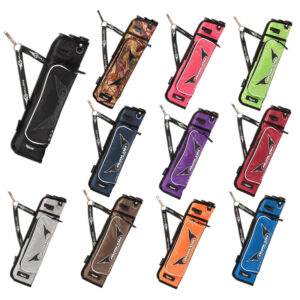
Avalon Tyro 2.0 Quiver with Three Waist Tubes and Side Pocket
14,50€En Stock
Select options This product has multiple variants. The options may be chosen on the product page

-
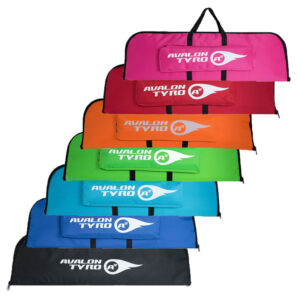
Avalon A2 Transport Bag for Take-Down Recurve Bow
18,00€En Stock
Select options This product has multiple variants. The options may be chosen on the product page -
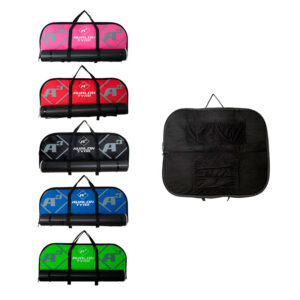
Avalon A3 Transport Bag for Take-Down Recurve Bow
21,00€En Stock
Select options This product has multiple variants. The options may be chosen on the product page -
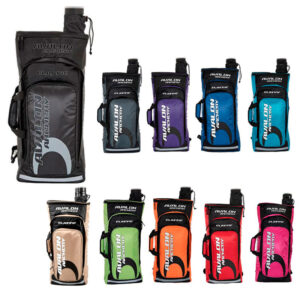
Avalon Classic Backpack with Arrow Tube and Take-Down Bow Holder
65,00€En Stock
Select options This product has multiple variants. The options may be chosen on the product page -
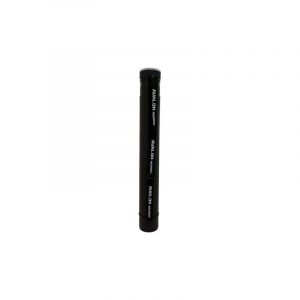
Avalon extendable arrow tube for arrow transportation.
8,75€22 En Stock (+ Bajo pedido)
Add to cart
-
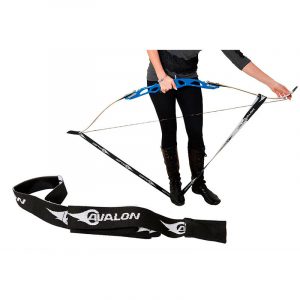
Avalon Bow Stringer for Recurve Bows
6,45€194 En Stock (+ Bajo pedido)
Add to cart -
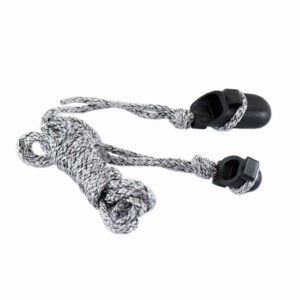
Buck Trail Universal Two-Tip Bow Stringer
4,75€22 En Stock
Add to cart -
Sale!
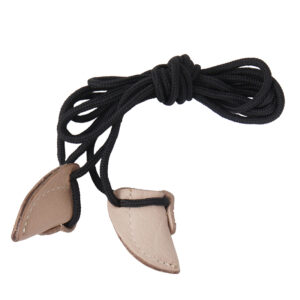
Bearpaw Leather Longbow Stringer
Original price was: 9,90€.7,92€Current price is: 7,92€.3 En Stock (+ Bajo pedido)
Add to cart -
Sale!
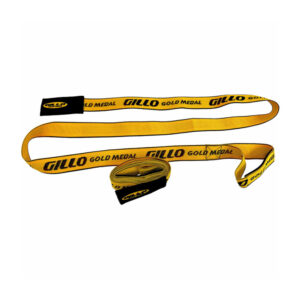
Gillo Bow Stringer GBS-01
Original price was: 15,80€.12,64€Current price is: 12,64€.Pedir al Distribuidor
Add to cart
-
Sale!
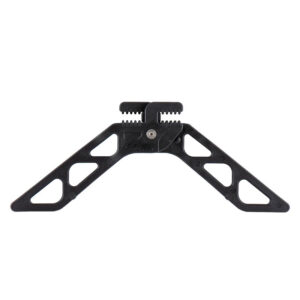
Apex Gear split limb pulley bow mount
Original price was: 30,50€.19,83€Current price is: 19,83€.1 En Stock (+ Bajo pedido)
Add to cart -
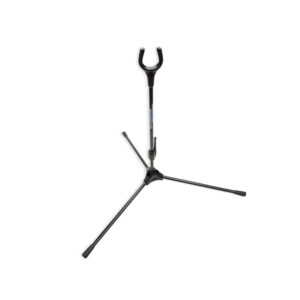
Avalon Basic Bow Stand for Recurve Bow
6,90€92 En Stock (+ Bajo pedido)
Add to cart -
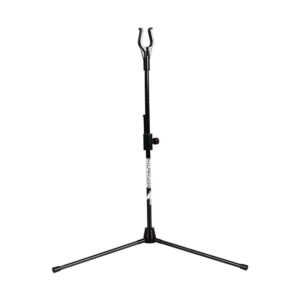
Avalon Carbon Fiber Composite Recurve Bow Stand
11,50€Pedir al Distribuidor
Add to cart -
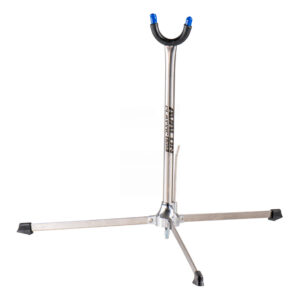
Avalon Classic Easy Bow Stand for Recurve and Olympic Bows
20,00€16 En Stock (+ Bajo pedido)
Add to cart